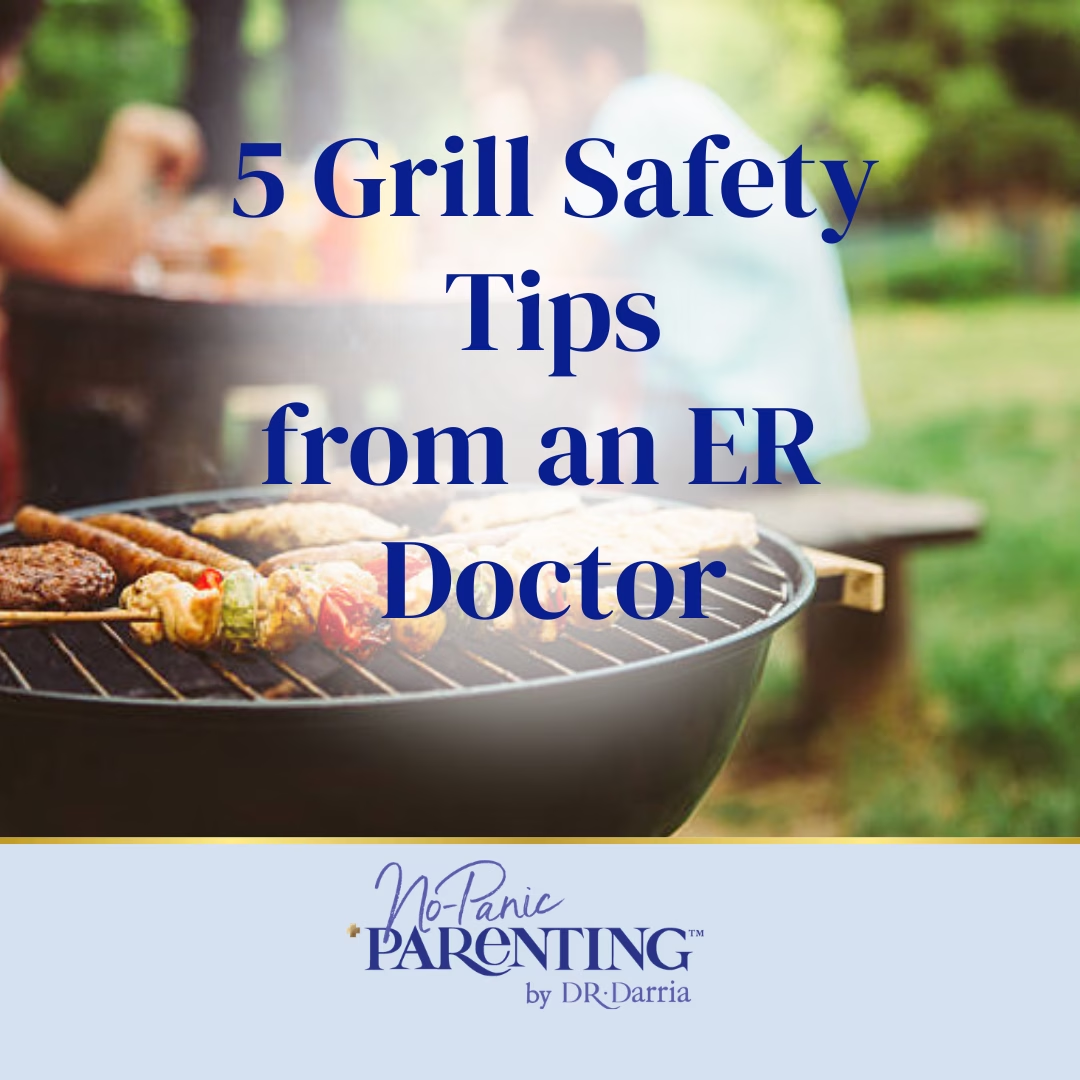
5 Grill Safety Tips from an ER Doctor
Who *doesn’t* love a summer grilled meal? (In my house, the grill is my husband’s responsibility, although I’ve threatened to fire it up for steak when he was late getting home. He somehow made it home quickly….). But, as an ER doctor, every season, we see injuries and illnesses around grilling. The good news? These are largely preventable – so take 90 seconds to keep your grilling safe this summer.
1. Avoid Food-borne Illness
- Keep meat refrigerated until it hits the grill, and never let raw juices touch cooked food or clean plates. As soon as you put the meat on the grill, take the trays you used (and any utensils) to carry it outside or while it was raw and toss them into the sink. Use fresh utensils and trays after the food is cooked.
- Since color isn’t a reliable sign of doneness, the CDC and USDA recommend a food thermometer: 145°F for beef, pork, and fish (rest 3 minutes); 160°F for burgers and ground meat; and 165°F for poultry.
2. Replace your wire brush with a solid-head one
- Loose bristles can break off and stick to food, causing serious injury. Clean grates with a coiled non-wire brush, pumice stone, or foil instead.
3. Create a kid-free zone around the grill
- Keep grills outdoors and well away from your home. The American Academy of Pediatrics suggests a 3-foot “kid-free zone” around the grill, and never leaving it unattended. Remember that grates and coals can stay hot enough to burn long after the food is done.
4. Handling a Grill Burn
If someone gets burned, quickly:
- Remove: Take off jewelry near the burn before the area swells and traps it.
- Cool: Run room-temperature water over it—never ice.
- Clean: Gently wash with mild soap and tap water.
- Pain relief: Tylenol or Motrin as needed.
5. When to Seek Care for a Burn
Get medical care if you notice:
- Multiple blisters or deep burns
- Any significant burn to the face or hands
- A burn on a young child or older adult
- A burn that wraps all the way around a limb
- When in doubt, have it checked.